
Table of contents
Introduction
At Electrical Courses Ltd, we get this question all the time. Electrical qualifications are confusing and hard to find online. This blog breaks down the training and qualifications required to become a qualified electrician.
The qualification routes
All electrician routes lead to the Level 3 NVQ in Electrical Installations and the AM2 assessment. The main routes are:
- The Electrical Apprenticeship
- The Electrical Improver
- The Electrical Experienced Worker
The qualification awarding bodies
Two main awarding bodies provide the qualifications needed to become a qualified electrician: City & Guilds (C&G) and EAL. City & Guilds is the most recognised in the electrical industry, but both lead to the same end qualification. Electrical Courses Ltd is an approved City & Guilds training centre, so this guide focuses on the C&G electrician qualifications.
The Electrical Apprenticeship
The apprenticeship route is the traditional way to become a qualified electrician and, until the 1990s, it was the main path into the trade. Many experienced electricians consider an apprenticeship the traditional path, yet it isn’t right for all. For school leavers or anyone under 19, an electrical apprenticeship is the best and most cost‑effective way to become an electrician.
What are the qualifications and assessments taken?
Only one qualification is needed — the Level 3 NVQ Electrotechnical Apprenticeship (5357) from City & Guilds or EAL.. Apprentices will also need to complete the AM2S assessment at the end of their apprenticeship. Once these are completed, this will also allow them to apply for the JIB ECS Gold Card for Electricians.
How to start out as an Electrical Apprentice
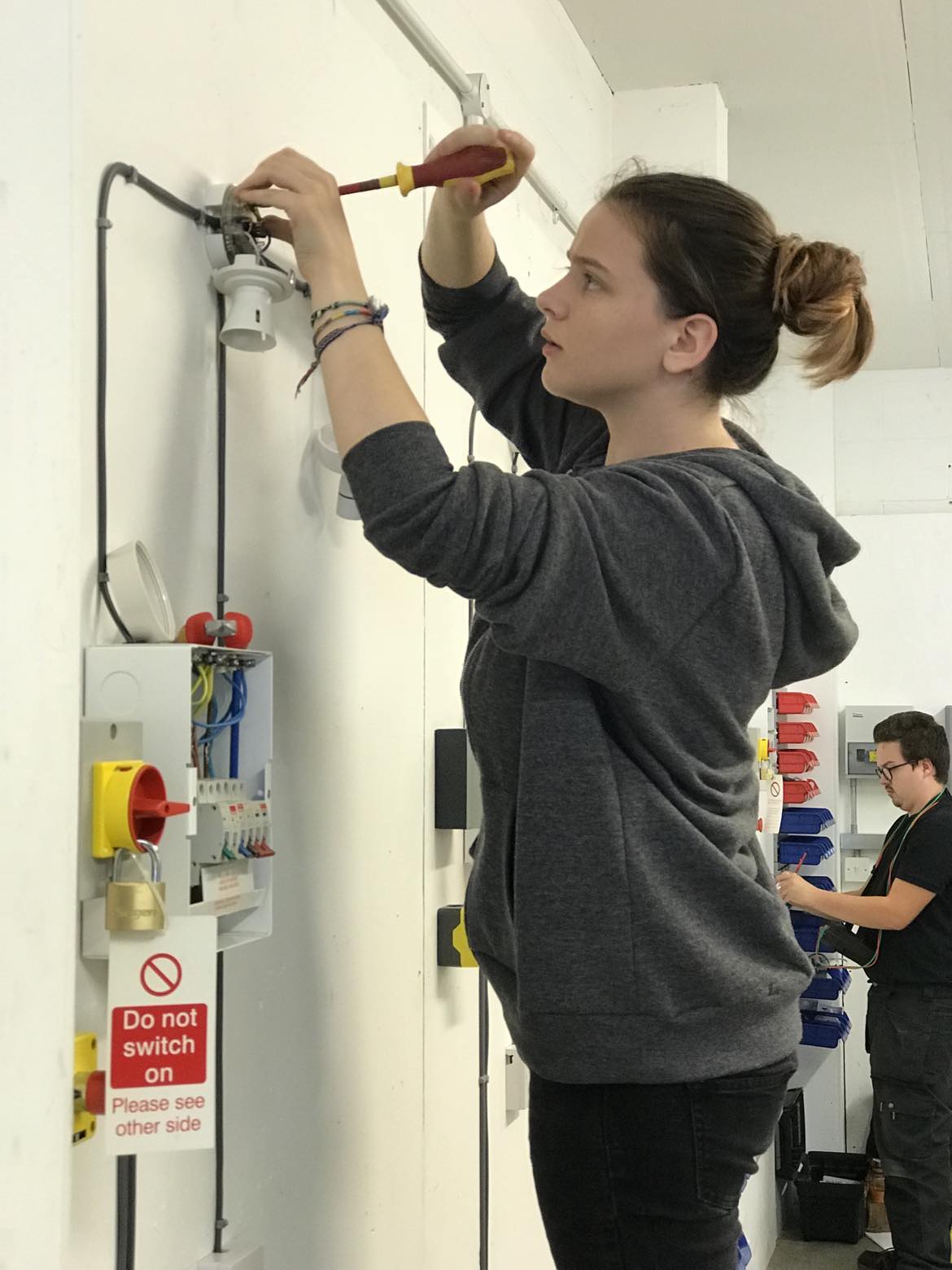
The first step in an electrical apprenticeship is securing employment as an Electrical Apprentice with an electrical contractor or a company that employs electricians. Once employed, the apprentice is enrolled onto the Level 3 NVQ Electrotechnical Apprenticeship (5357). After completing the NVQ, the final stage is the three‑day AM2S assessment, arranged by the apprentice’s college assessor.
Are there any requirements?
Yes, the candidate has to have a Grade 4 GCSE or equivalent in Maths and English. Depending on their existing qualifications, an apprentice may need to study extra subjects like English, Maths and IT to meet college requirements.
Who is most suited to an apprenticeship?
An apprenticeship is generally most suitable for individuals aged 16–19, as their training is fully funded, the learning pace is more gradual, and they typically have fewer financial commitments than older trainees.. There is partial funding for up to 24-year-olds. For people above 24 years of age, they may be eligible to apply for an Advanced Learner loan with the government.
What’s a typical wage of an Apprentice?
According to the JIB handbook stage 1 (first year) Apprentices can be paid £5.59 an hour and Stage 4 (4th Year) apprentices can earn £12.15 an hour. This wage will be less on days the Apprentice is at college studying and these rates are just a guideline. This information was taken from the JIB Handbook on 23rd November 2023.
What is the duration of this training?
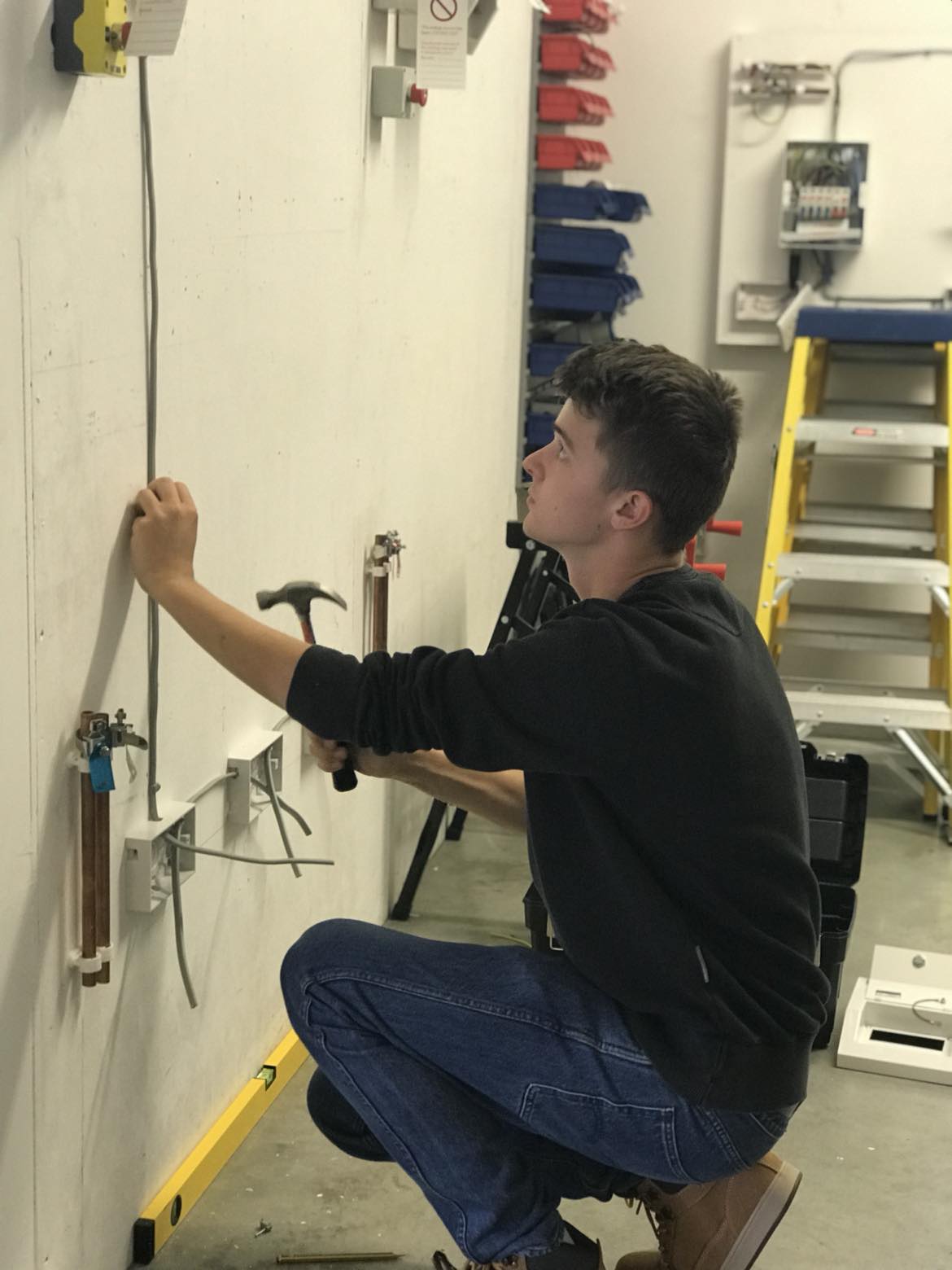
A typical Electrical Apprenticeship can take a minimum of 4 years. The structure is typically 1 day a week at college, 4 days a week on site with their employer for the first three years and then the final year is full time on site with their employer.
What are the advantages?
The biggest advantage for an Electrical Apprentice is that they will learn their trade whilst on the job and this experience is invaluable and cannot be replicated in a college or training provider’s workshop. Another advantage is that Apprentices under 19 years of age will have their training fully funded by the government.
What are the disadvantages?
The wage is probably the biggest disadvantage for an Electrical Apprentice. Whilst this may not affect a 16 to 19-year-old Apprentice, older trainees may not be able to survive on an Apprentice wage because of financial commitments such as families and mortgages. Another disadvantage is the duration, 4 years of earning apprenticeship wages may not be sustainable for all adult trainees.
How can I find out more information about Electrical Apprenticeships?
It is best to contact your local FE College and ask to speak to an Electrical Apprenticeship team or check out their website. Here are some FE Colleges that may be of interest:
- Bedford College
- Peterborough College
- Cambridge Regional College (camre.ac.uk)
- JTL Electrical Engineering Apprenticeships
- Gower College Swansea
- Newcastle College
- New City College
As a young person (16-19), what other options do I have for college, if I cannot obtain an Electrical Apprenticeship?
Contact your local FE College about full‑time Level 1 Electrical or Building Services courses. Funding is available and can help you secure an apprenticeship or progress to Level 2 qualifications.
The Electrical Improver
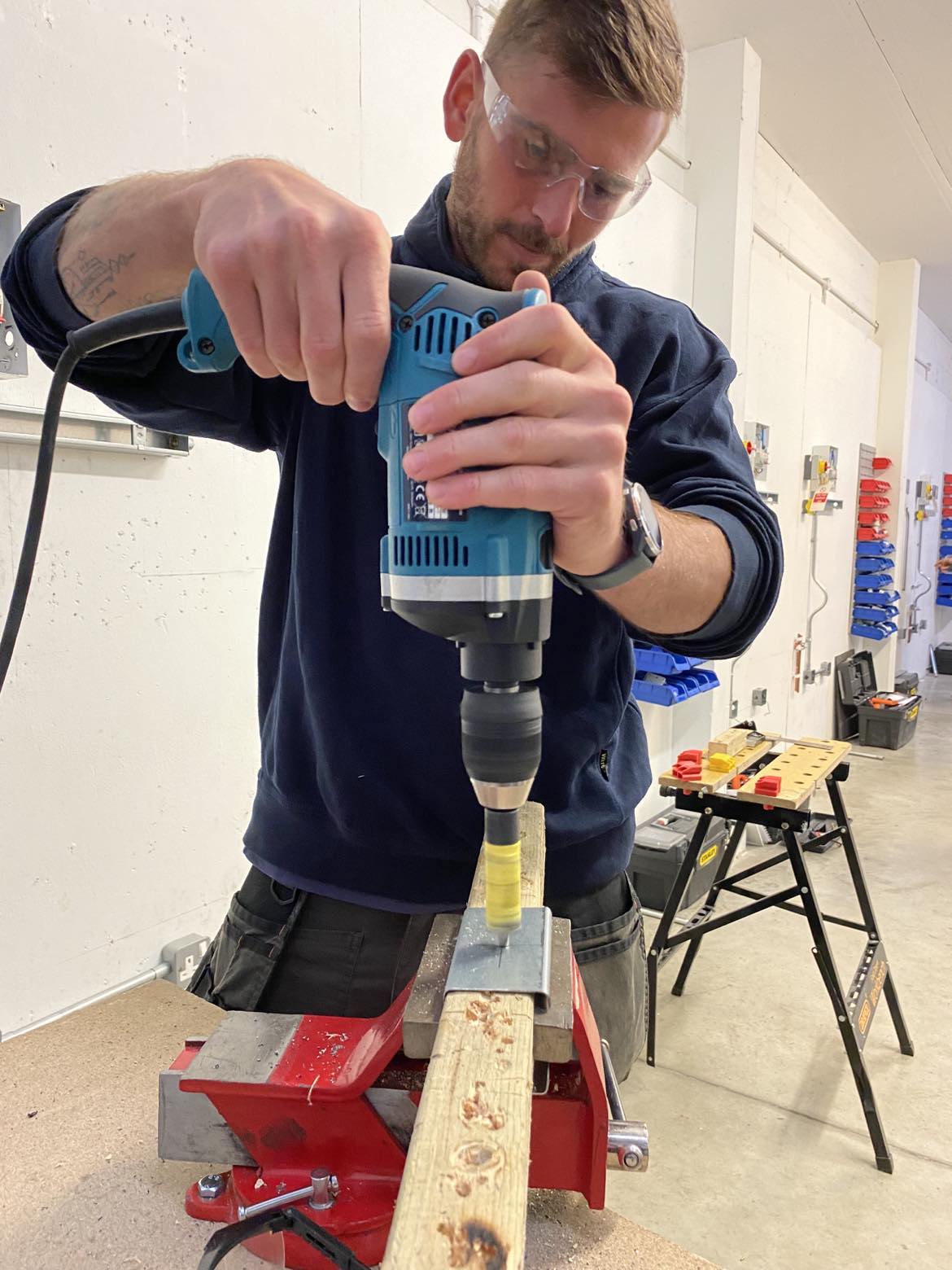
Before I start this section of the blog I will apologise for any biased opinions, our training centre do after all specialise in the Electrical Improver route and it is the reason why I started this training company back in 2013. I wanted to offer adults a better suited route to becoming a qualified electrician.
Up until approximately the 1990s most people would start a career and very rarely change to another, but nowadays we have much more flexibility to chop and change careers as we like. This is where the Electrical Improver route excels!
What are the qualifications and assessments taken?
There are three main qualifications and one assessment required to be achieved in the Electrical Improver route and these are:
- The level 2 Diploma in Electrical Installations (2365)
- The level 3 Diploma in Electrical Installations (2365)
- The level 3 NVQ Portfolio in Electrical Installations (2357-44)
- AM2 assessment
How to start out as an Electrical Improver
When people ask the best way to start the Electrical Improver route or become an electrician without an apprenticeship, the answer is simple. Start your training as soon as you can afford to. If you’re in a stable financial position, jump ship and begin your electrical training straight away.
To start the Electrical Improver route, contact a training provider offering the Level 2 Diploma in Electrical Installations (2365) or the EAL equivalent. This Level 2 qualification is the official entry point for the Electrical Improver pathway. There’s no requirement to complete a Level 1 course, as those are designed for young full‑time learners in FE colleges.
Is it best to gain qualifications first before applying for work?
The electrical industry is becoming stricter, especially around qualifications, which is a positive step. It’s now very difficult to work as an electrician without the correct training and recognised qualifications. Many electricians with 20–30 years of experience are returning for extra training because they no longer meet current industry standards. They now need to complete the Level 3 Experienced Worker NVQ to stay compliant. This is why gaining qualifications early is essential. Experience is valuable, but most employers won’t consider you without the right electrical qualifications.
Are there any requirements?
Entry requirements vary by training provider. Beginning the Level 2 Electrical course requires a good understanding of English and Maths. Progressing to the Level 3 Electrical course means you must already hold the Level 2 Diploma in Electrical Installations (2365). Enrolling on the Level 3 NVQ Portfolio in Electrical Installations (2357‑44) requires both the Level 2 and Level 3 Diplomas, along with a job as an Electrical Improver under an electrician’s supervision.
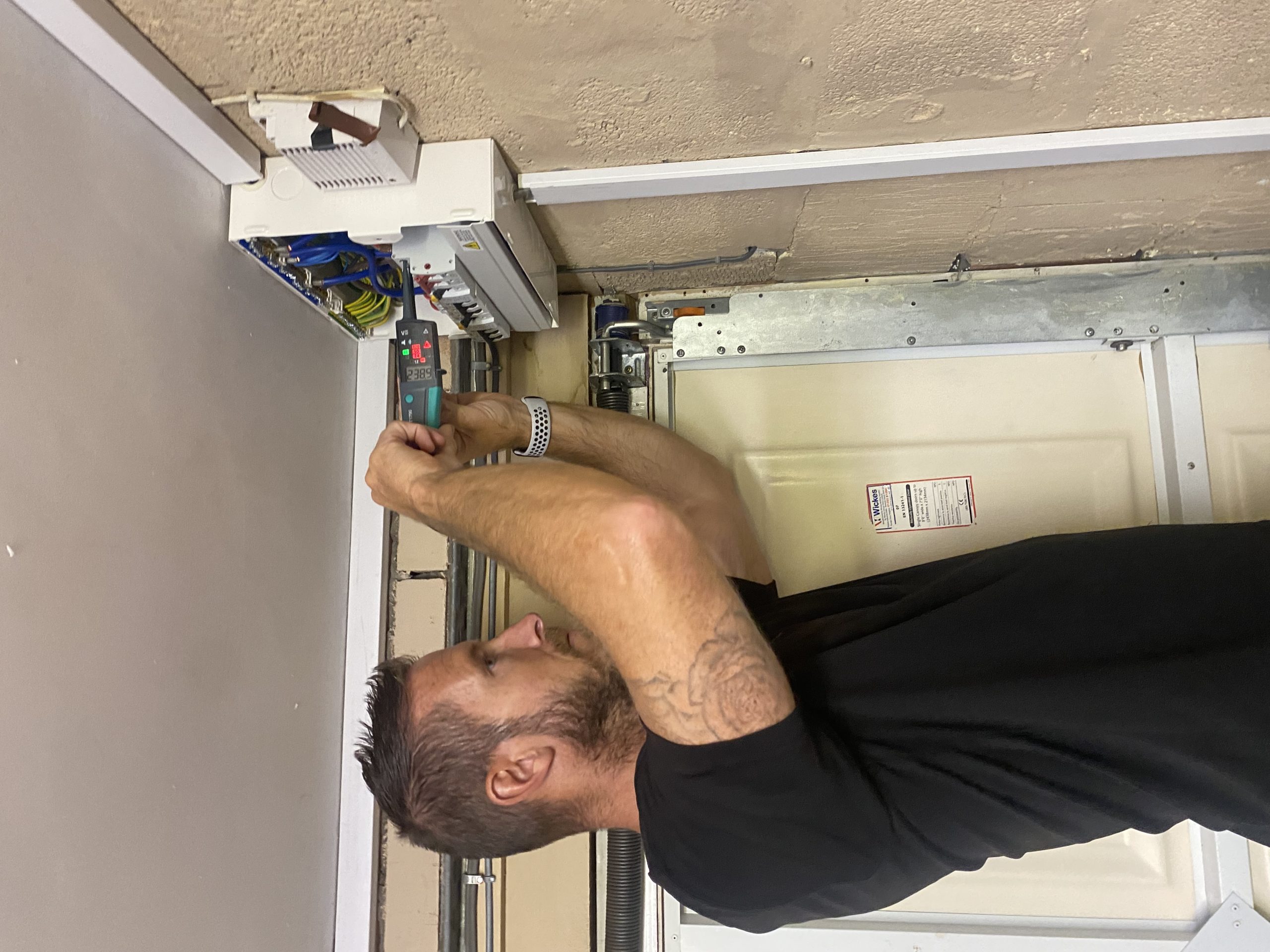
To start the AM2 assessment, you must be enrolled on the Level 3 NVQ Portfolio in Electrical Installations (2357). The AM2 provides the evidence required for Unit 399 of the 2357 NVQ. You cannot complete the Level 3 NVQ without passing the AM2.
Who is the Electrical Improver route best suited to?
Generally, this route is best suited to anyone above the age of 19 for the following reasons:
- The lack of government funding above the age of 19; adults normally self-fund their training.
- The wages of an electrical improver are much higher than a typical apprentice.
- The duration of training is a lot less. Adult trainees often learn faster and can qualify as electricians more quickly than younger apprentices due to their experience and focus.
- Courses will normally be filled with other likeminded mature adults.
What’s a typical wage of an Electrical Improver?
Electrical Improver pay varies by location, but the average wage is around £15 an hour. Many of our learners earn this—or more—after completing just 16 weeks of training on the Level 2 and Level 3 Diplomas in Electrical Installations (2365). Few industries offer this level of earning potential after such a short training period.
What is the duration of this training?
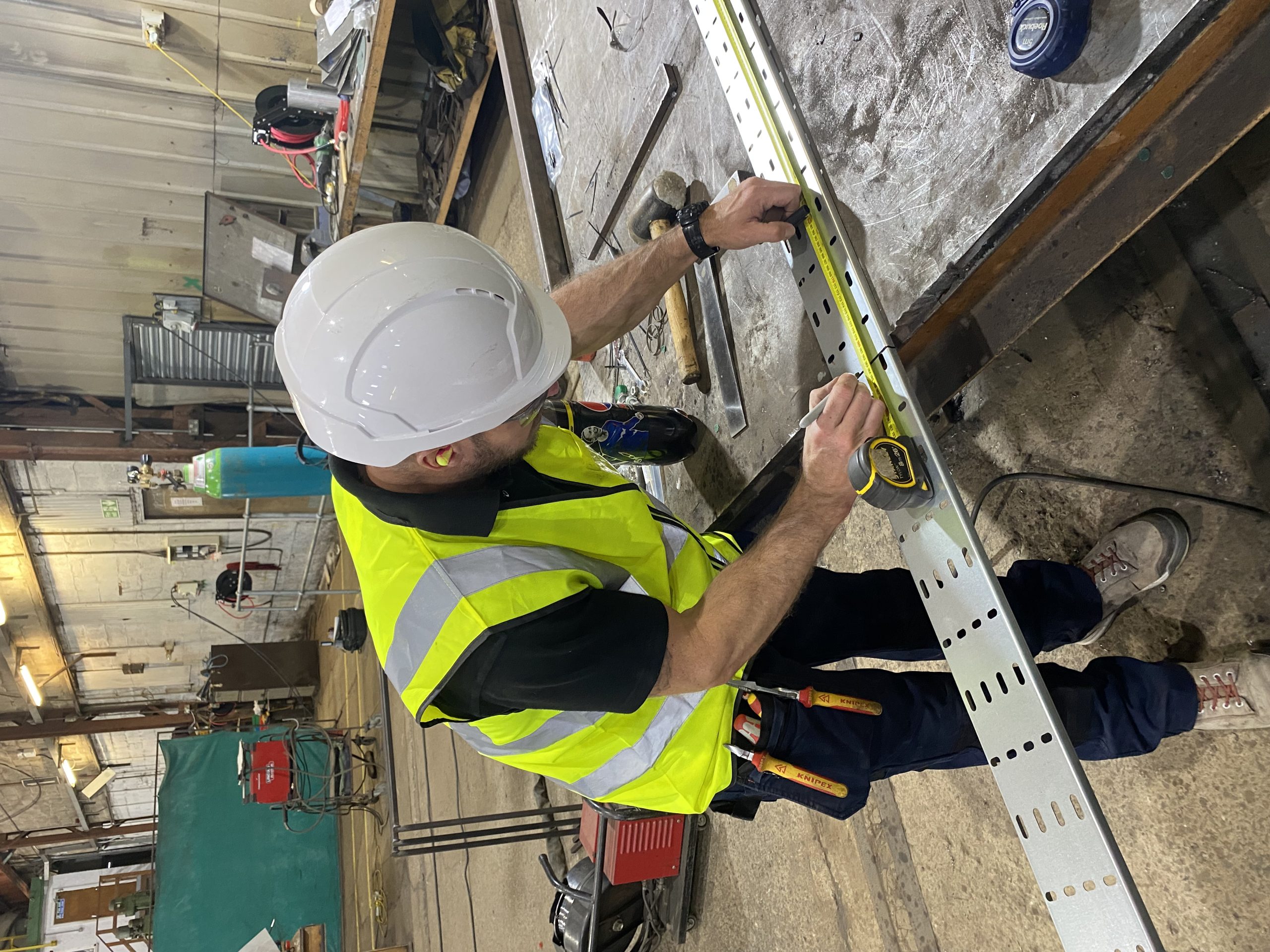
The time it takes to qualify depends on how you choose to structure your training. Some trainees need to work while studying, especially if they’re transitioning from another career. Training only a few evenings each week while remaining in a non‑electrical job usually extends the Electrical Improver route to about 3–4 years. Others prefer to train full‑time to complete their electrical qualifications as quickly as possible and start their new career sooner.
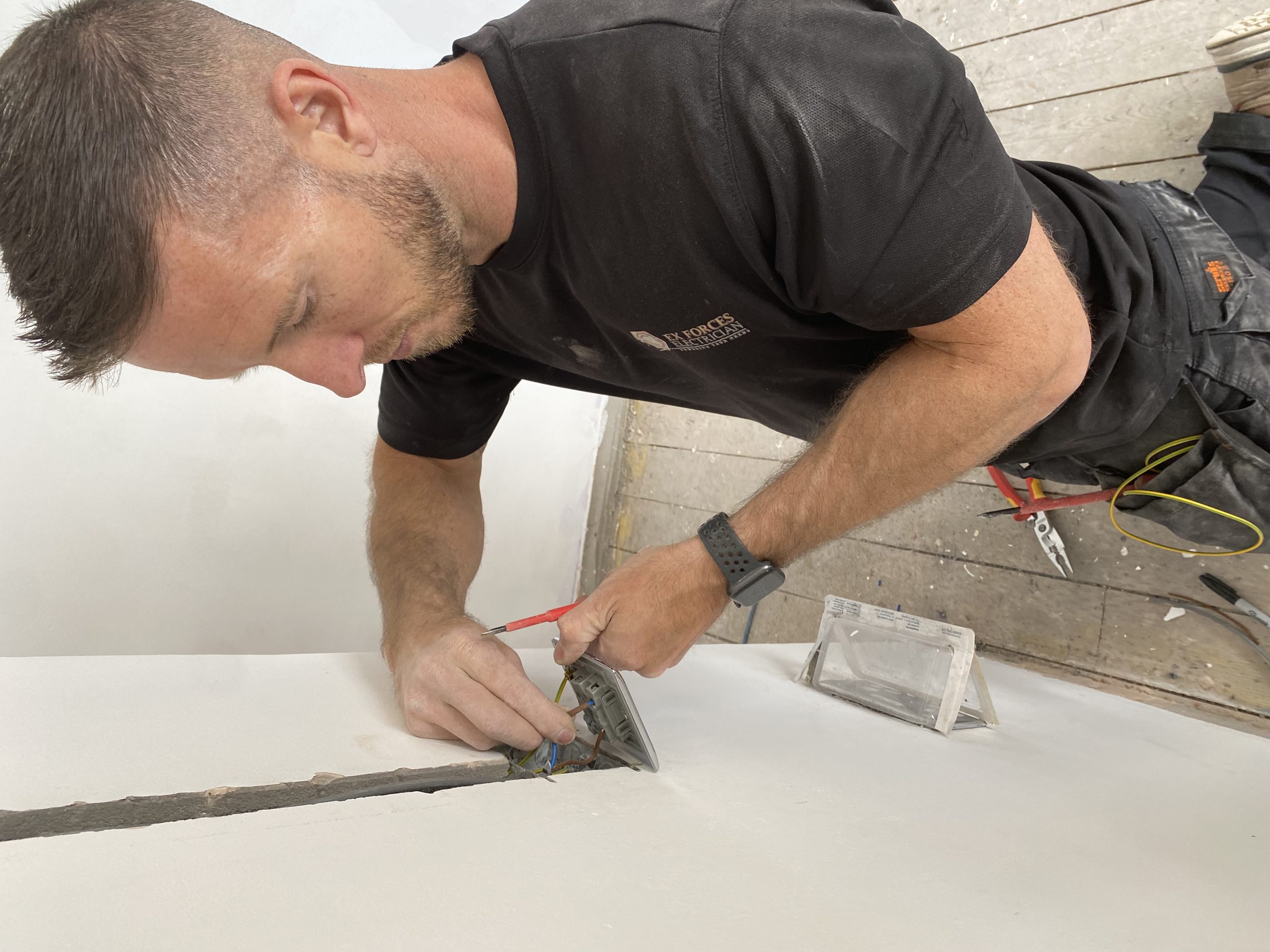
How Long You Can Expect This Training to Take
Like I mentioned earlier I would advise to jump ship only if you are financial able to do so, this way a person could be fully trained in less than 2 years. I have seen some remarkable students do the whole lot in a year. As an example, this is a duration of the courses we offer for the electrical Improver route:
- The level 2 Diploma in Electrical Installations (2365) – 8 weeks (5 days a week)
- The level 3 Diploma in Electrical Installations (2365) – 8 weeks (5 days a week)
- The level 3 NVQ Portfolio in Electrical Installations (2357-44) – 6 months to 2 years
- AM2 assessment – 3 days
The duration of Level 2 and Level 3 electrical qualifications varies by training provider. Each course must meet guided learning hours set by the awarding body, but providers offer different study options: full‑time, one day a week, weekends, or evenings. Studying fewer days each week means the course will take longer. Our Level 2 course takes eight weeks full‑time. Other providers may stretch it to a year with one‑day‑a‑week delivery.
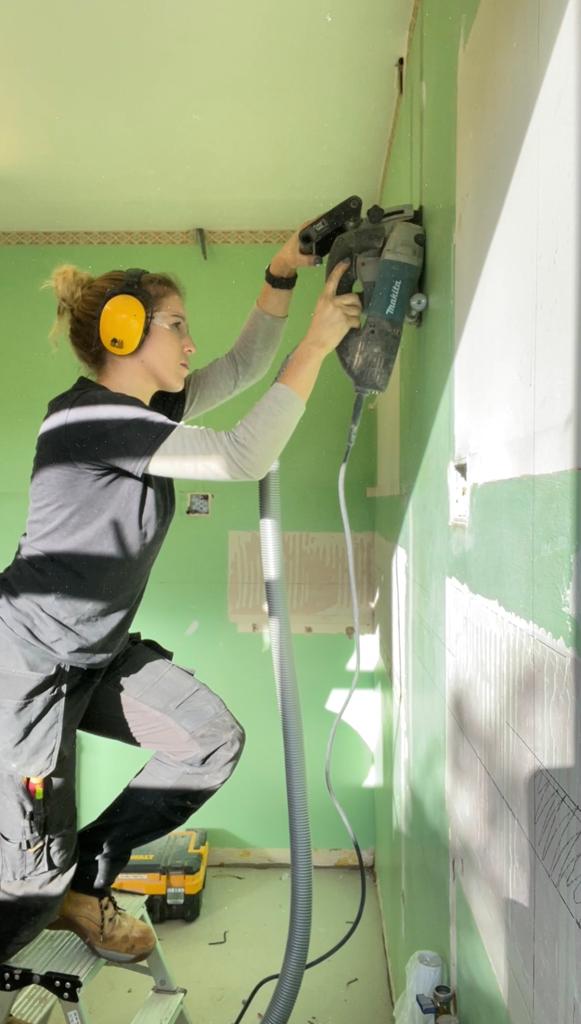
Why Intensive Courses Offer Better Results
From experience of teaching the different durations for the above-mentioned level 2 & 3 Diplomas, I have seen far more success from the shorter intense courses than the longer drawn-out courses. This is generally because all the training is fresh in the Improvers minds, not just to help pass the exams but also to start employment as soon as possible, there is also no need to refresh subjects on a weekly basis. When I did teach the 2-year courses 1 day a week or evening courses to electrical improvers I noticed a huge lack of attendance, big drop offs of candidates in the 2nd year and a lack of confidence because they had forgotten practical skills from year 1. This would lead to many of them not wanting to leave their current jobs and take that jump into the electrical industry.
Why does the Level 3 Electrical NVQ take between 6 to 24 months?
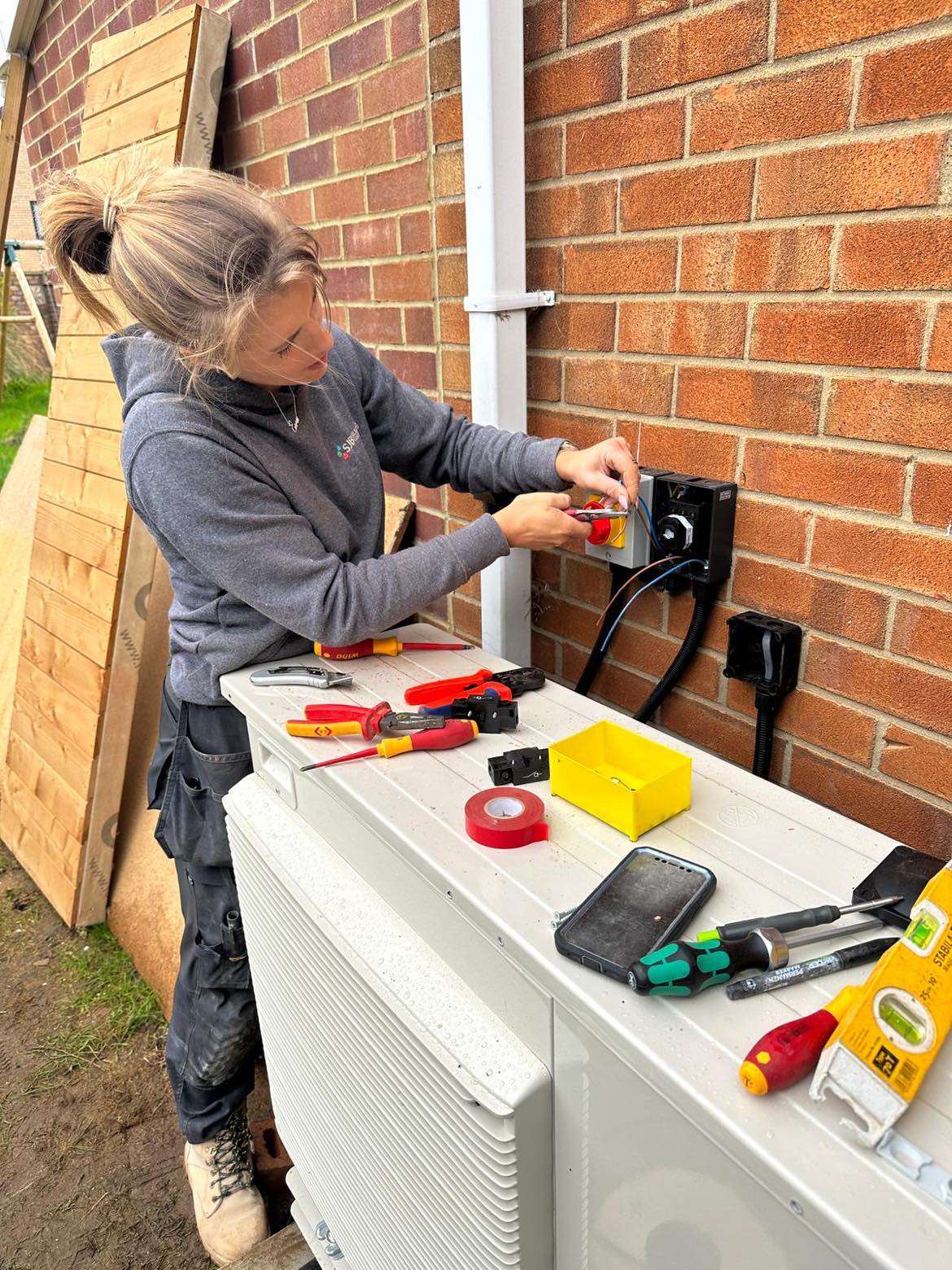
This qualification is a work‑based NVQ completed in your own time, not at a training centre. Most trainees work on their portfolio in the evenings after work, which heavily affects how quickly they finish. Some have plenty of free time, while others have children or other commitments. Motivation also plays a big role, as some trainees push harder to complete their Electrical NVQ than others.
What are the advantages?
The main advantages are that the duration of the training is a lot less so you could be fully qualified in less than 2 years whilst an Apprenticeship will take 4 years. The wages are a lot better and you will be in a class with likeminded self funded adults.
What are the disadvantages?
The main disadvantage of this route is the cost. These electrical courses are usually self‑funded, as little financial support is available compared to an apprenticeship. Income can also be an issue; full‑time trainees may need to work evenings or weekends, or rely on support from family members.
How can I find out more information?
Have a look at our webpage Electrician Courses – Electrical Courses (electricalcoursesuk.co.uk) for more information on the electrician courses involved in the electrical improver route.
The Electrical Experienced Worker

This is the newest of the three routes, created to address the large number of people working as electricians without a formal Level 3 NVQ in Electrical Installations. Ten to fifteen years ago, qualification standards lacked proper regulation, and electricians had no mandatory benchmark to meet. This route was introduced to close that gap and lift industry standards. Now in the recent years there has been a welcomed shift in the industry to regulating the qualifications and the competent person schemes such as NICEIC and NAPIT have jumped on board with the likes of the NET and JIB (ECS), to ensure that our industry has a proper benchmark for the someone to hold the status of qualified Electrician.
What are the qualifications and assessments taken?
The City and Guilds qualification for this route is called the Level 3 Electrotechnical Experienced worker NVQ (2346) and once this is complete you will have to complete the AM2E Assessment.
How to start out as an Electrical Experienced Worker
This route is only for experienced trainees. Candidates must enrol on the Level 3 Electrotechnical Experienced Worker NVQ (2346). The training centre will carry out eligibility checks, including an interview with an assessor. Before the interview, candidates must complete two forms: the Candidate Background Form and the Skills Scan Checklist.
Are there any requirements?
Yes, to enrol on the Experienced Worker NVQ (2346) a candidate will need to meet the following entry requirements:
- Must hold a minimum of level 2 Certificate or Diploma in Electrical Installations e.g Level 2 2330 or 2365
- 5 Years proven experience in the electrical industry (not including any training)
- A minimum of a Level 2 or Level 3 Electrical Installations Certificate (236,2330,2365)
- Technical knowledge equivalent to Level 3 of Electrical installations
- Level 3 18th Edition BS7671 Regulations qualification (This can be completed whist you are doing the NVQ)
- Level 3 2391-52 Inspection and testing qualification (This can be completed whist you are doing the NVQ)
Who is the Experienced Worker route best suited to?
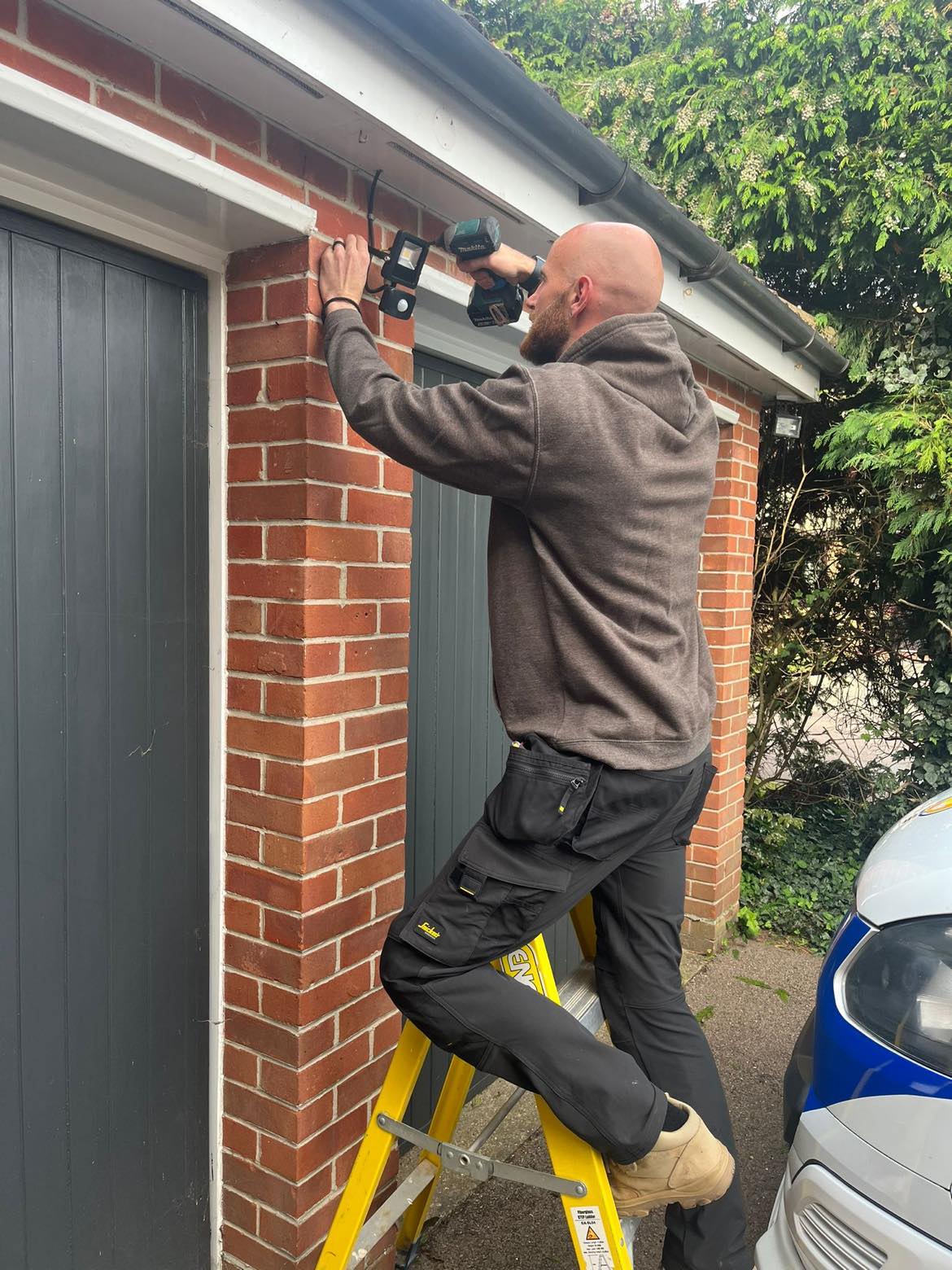
This route suits those with 5+ years’ electrical installation experience and Level 3‑equivalent knowledge but no NVQ Level 3.
What’s a typical wage of an Electrical Experienced Worker?
Wages can start from around £15 an hour, though many candidates already working as electricians may earn significantly more. However, industry changes and new qualification requirements mean some electricians still need to upskill to meet current standards.
What are the advantages?
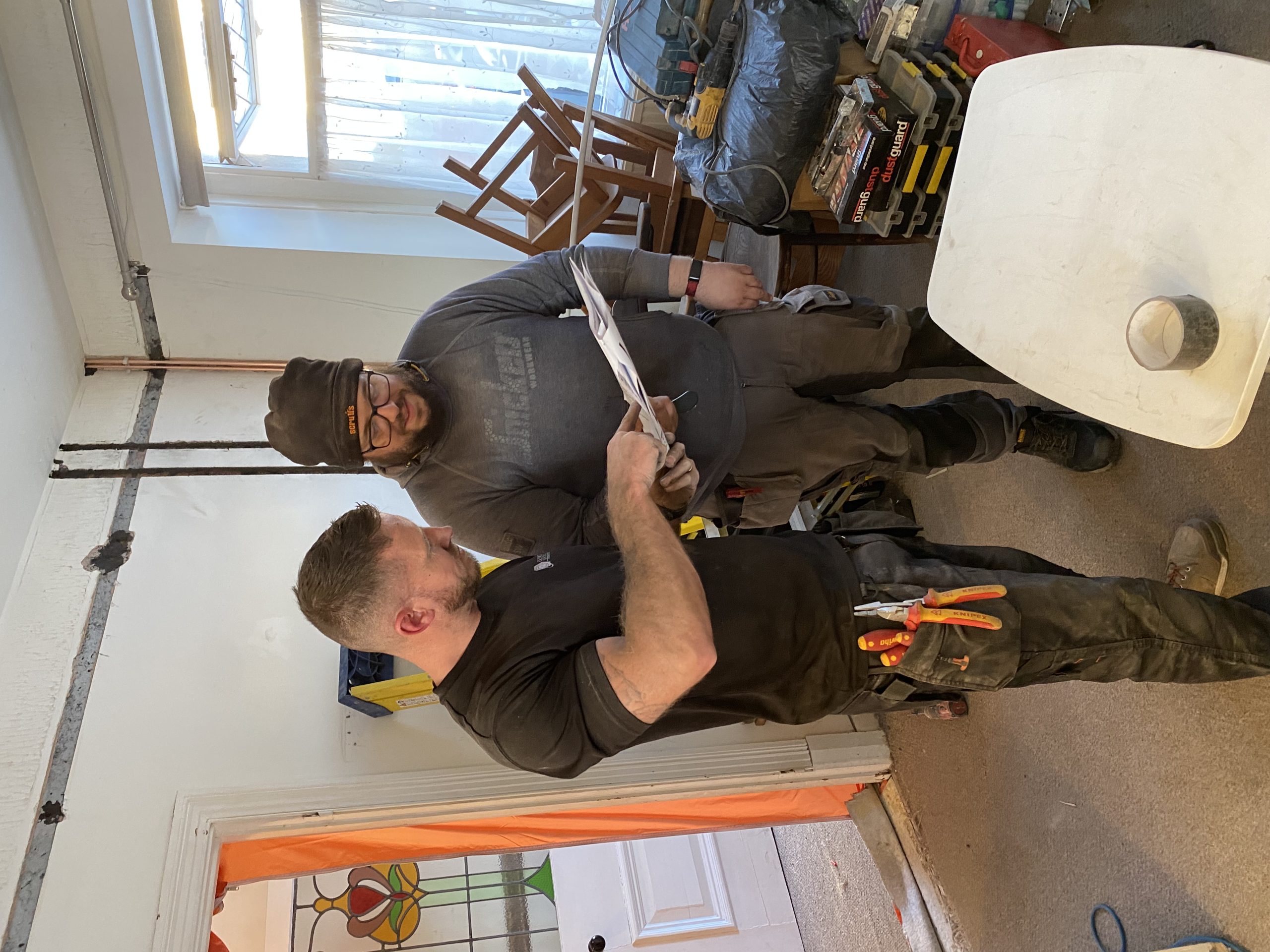
This NVQ level 3 qualification is almost entirely work based meaning that very little time is spent at the training centre or college. Candidates can generally carry on with their normal Electrical Installations roles. An ECS Gold card can be obtained after this NVQ has been completed along with the completion of the AM2E.
What are the disadvantages?
It has strict entry requirements and is only suitable for trainees with existing electrical installation experience and qualifications.
How can I find out more information?
More information can be found on our website here Level 3 electrotechnical experienced worker NVQ – Electrical Courses (electricalcoursesuk.co.uk) or Installation & Maintenance Electrician – Experienced Worker Assessment – TESP (electrical-ewa.org.uk) and AM2E – NET (netservices.org.uk)