
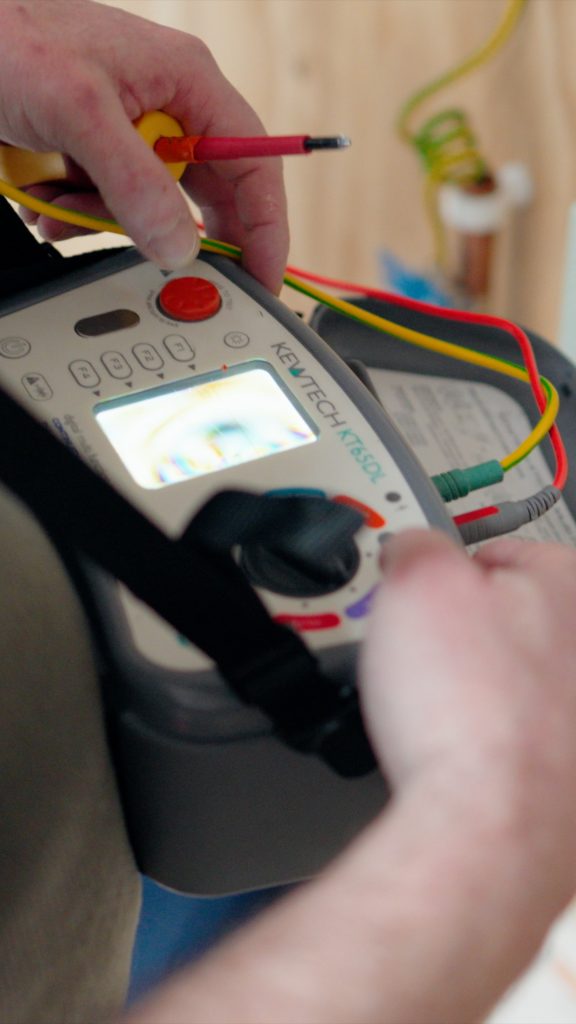

Electricians face a shift unlike any before as artificial intelligence reshapes their daily tasks. Tools powered by AI now help diagnose problems faster and manage workflows with less hassle. Smart systems push electricians toward advanced installations and smarter electrical infrastructure. Understanding these changes will help you stay ahead in the future of electricians. For more insights, check out this guide to AI in the electrical industry.
AI’s Impact on Electrician Roles
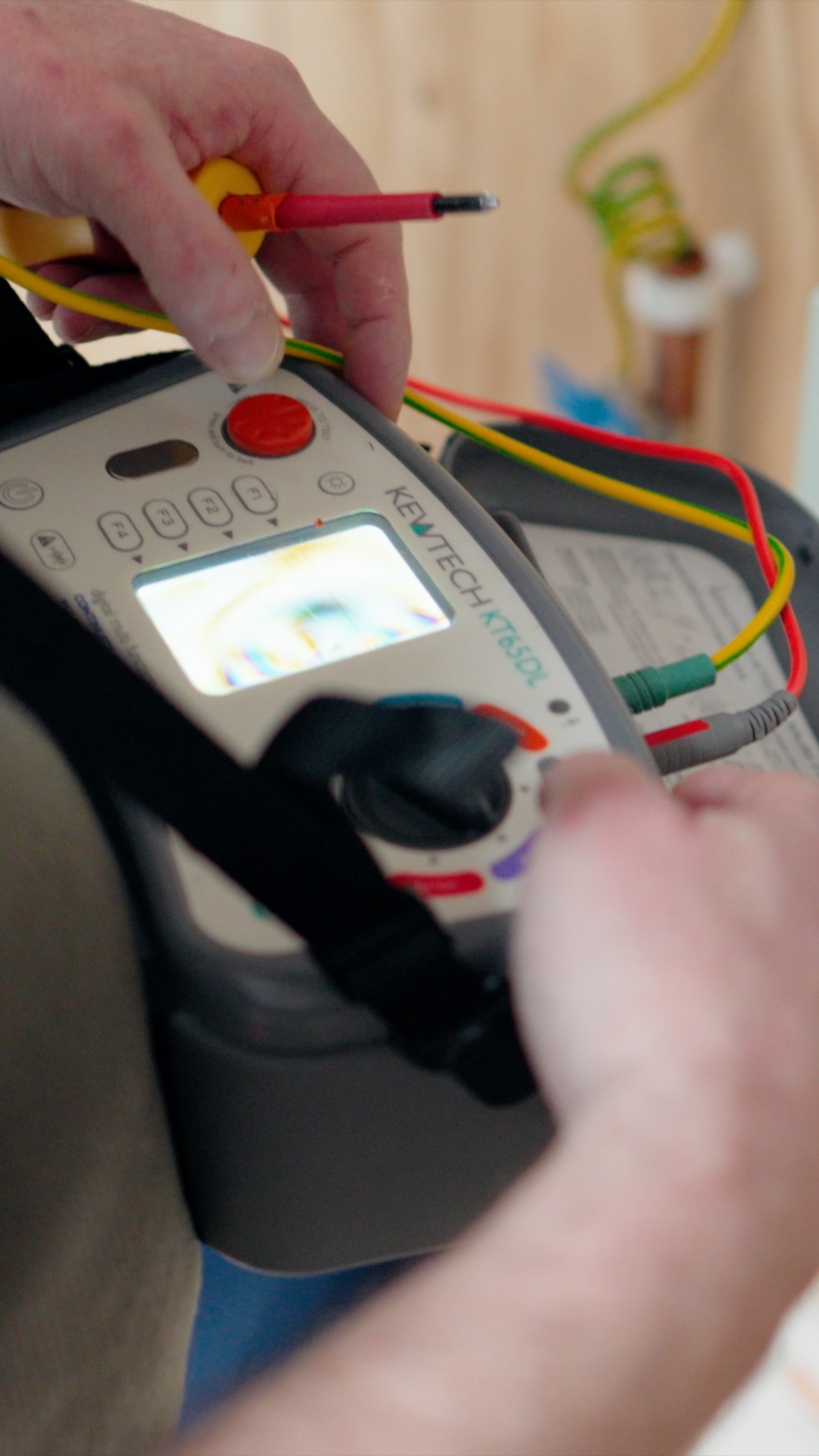
Artificial intelligence is changing how electricians work, adding new tools to their toolbox. These changes help in diagnosing issues and streamlining workflows, pushing professionals toward more complex tasks. Let’s explore how these advancements are shaping the field.
Enhanced Diagnostics and Workflows
AI offers electricians a way to identify problems quickly and accurately. Imagine tools that can spot issues before they become bigger problems. This means less time spent troubleshooting and more time fixing. For example, AI can analyze patterns in electrical systems, identifying where issues might arise. This predictive capability is invaluable.
AI doesn’t just stop at diagnostics. It helps in organizing workflows too. With smart scheduling, you can manage your day efficiently. By predicting how long tasks might take, you avoid surprises and delays. This ensures that you meet deadlines and keep customers happy. As you adapt to these tools, your role becomes more about managing advanced systems with precision.
Focus on Advanced Installations
As AI takes over routine diagnostics, electricians will focus more on complex installations. This includes setting up smart systems that require a higher skill level. You might find yourself working on energy-efficient systems that communicate with each other, creating a seamless home or office environment.
These installations are not just about connecting wires. They require understanding the technology behind smart systems. You’ll be integrating devices that talk to each other and adapting to new standards in electrical work. This shift demands a deeper knowledge base and a willingness to learn continuously. The future calls for electricians who are tech-savvy and ready to tackle advanced challenges.
AI Tools and Electrician Training
Transitioning to these new roles requires proper training. It’s crucial that electricians are equipped to handle AI tools effectively. Training programs are evolving to include AI components, ensuring that you are prepared for the changes AI brings to the electrical field.
Integrating AI in Electrical Courses
Electrical courses are beginning to include AI-focused modules. These courses teach you how to use AI tools in everyday tasks, making them essential for modern electricians. By learning how to leverage AI, you stay competitive. Courses now cover smart systems, predictive maintenance, and more, preparing you for what lies ahead.
For example, a course might show you how to use AI to optimize energy usage in a building. This isn’t just about saving power; it’s about creating smarter environments. The more you learn, the better equipped you are to offer innovative solutions. Explore how AI is integrated into electrical training.
Skill Development for Smart Systems
Adapting to AI involves developing new skills. You’ll need to understand both the technical and practical aspects of smart systems. This means learning about sensors, connectivity, and system integration. These skills are critical as you work with advanced technologies.
Training programs are now focused on these areas, giving you the expertise needed to succeed. By mastering these skills, you can offer better services and stand out in the industry. As you grow your skill set, you increase your value as an electrician.
Future Prospects in Electrical Work
The future of electrical work promises exciting opportunities. With AI, electricians can explore new avenues, particularly in energy management and infrastructure development. Let’s see how these prospects can shape your career.
Opportunities in Energy Optimization
AI opens doors to energy optimization, allowing you to create systems that save both energy and money. You can design solutions that monitor and adjust energy use in real-time, leading to significant savings for clients. This expertise is not just beneficial; it’s becoming essential.
By focusing on energy optimization, you can position yourself as an expert in sustainable practices. This not only benefits the environment but also attracts clients looking for greener solutions. As demand for energy-efficient systems grows, your skills will be in high demand. Learn more about AI’s role in energy optimization.
Shifting Responsibilities in Electrical Infrastructure
As AI becomes more embedded in electrical systems, your role will shift. You’ll be responsible for ensuring that these systems work smoothly and efficiently. This involves overseeing complex infrastructures and ensuring they meet the latest standards.
With AI, you’ll find yourself taking on new challenges, such as integrating renewable energy sources into existing grids. This is not just about keeping up; it’s about leading the way in a changing industry. By embracing these changes, you position yourself at the forefront of electrical innovation.
The landscape of electrical work is evolving, and AI is at its core. By staying informed and adapting to these advancements, you ensure a bright future in this field. For more on how AI is changing the electrician’s role, visit this insightful article.
The future of electricians is bright, with AI offering both challenges and opportunities. By embracing these changes, you can enhance your skills, provide better services, and ensure a prosperous career.