


Electrician safety UK isn’t just a guideline—it’s the foundation of every job you’ll take on. Missing key steps like the safe isolation procedure or proper use of electrical PPE can put your career at risk before it even starts. In this post, you’ll find essential safety practices that meet BS 7671 18th Edition standards and set you up for success with City & Guilds electrician courses and assessments. For more information, visit this resource.
Essential Safety Protocols
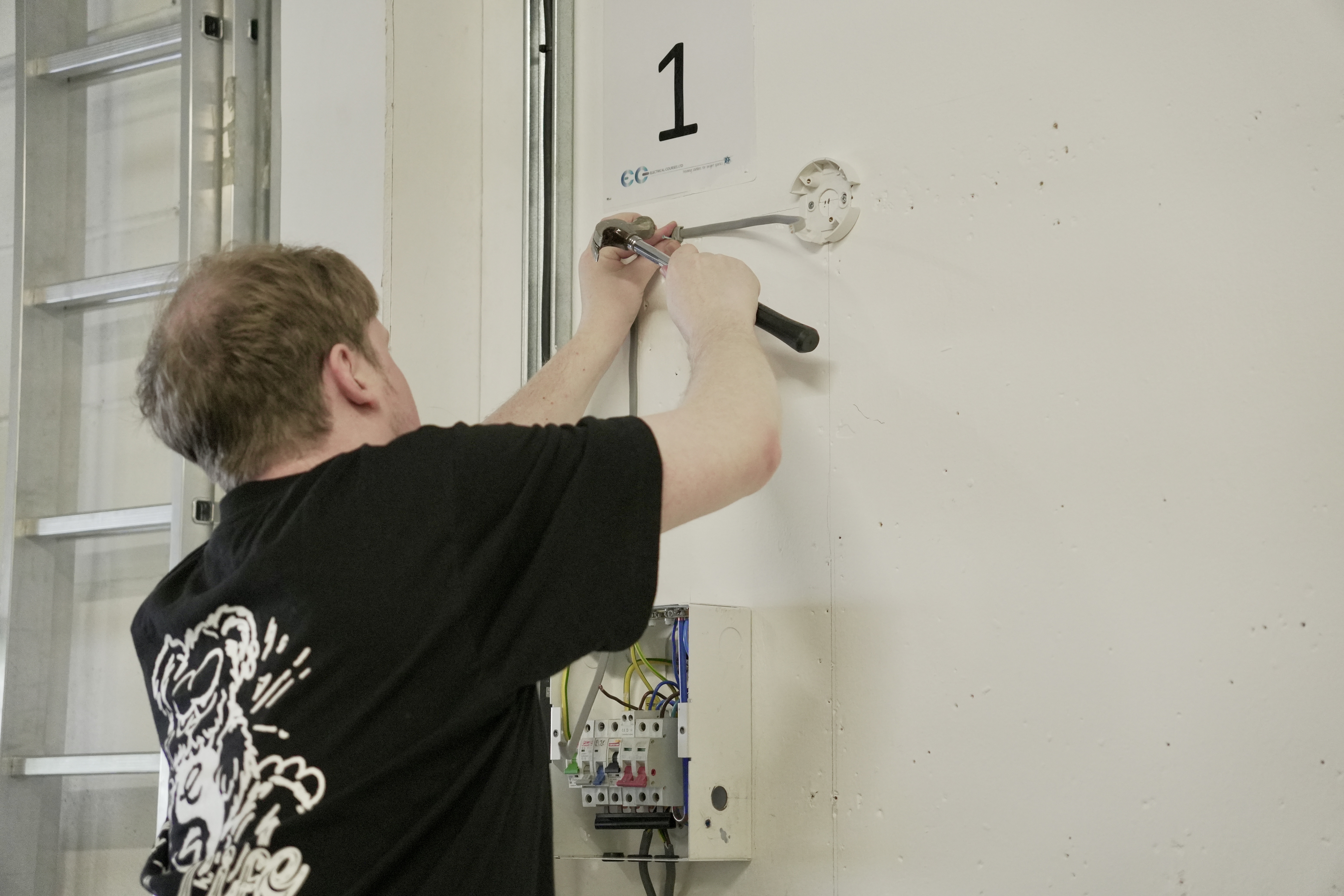
Let’s kick things off with the basics—essential safety protocols that every aspiring electrician must know. These practices form the backbone of your career. Before you even think about flipping a switch, make sure you’re well-versed in these crucial steps.
Safe Isolation Procedure
The safe isolation procedure is a must-know for electricians, what this youtube video for some demonstrations. Think of it as your line of defense against electrical hazards. Start by verifying the correct circuit. Prove a voltage indicator on a known source e.g. proving unit. Use the voltage tester to ensure it’s dead and finally reprove the voltage indicator on a known souirce. Always use lock-off devices to prevent accidental re-energization. Statistics show that electricians using lock-off devices reduce mishaps by 60%. Now, connect your tester to verify again. This triple-check approach keeps you safe.
It’s not just about safety; it’s about peace of mind. When you know the current isn’t flowing, you work faster and more confidently. This procedure isn’t just for compliance; it’s the heart of safe work.
Testing and Verification
Testing and verification make sure your work meets the highest standards. Use the right tools to check your installations. Continuity testers and multifunctional testers are your best friends here. They help you catch errors before they become problems. A single oversight can lead to costly repairs or worse, injuries.
Verification is more than just a step; it’s a safeguard. It ensures that every connection is secure and every wire is correctly placed. Most electricians find that consistent testing reduces return calls by 40%.
Electrical PPE Essentials
Your gear is your shield. Electrical Personal Protective Equipment (PPE) keeps you safe from potential hazards. Gloves, goggles, and boots are not optional. They’re your first line of protection. PPE isn’t just about safety; it’s about professionalism. When you’re geared up, you’re ready for anything.
Good PPE means you can focus on the task, not the risks. Remember, quality gear isn’t just an investment in safety; it’s an investment in your career.
Core Training Programmes
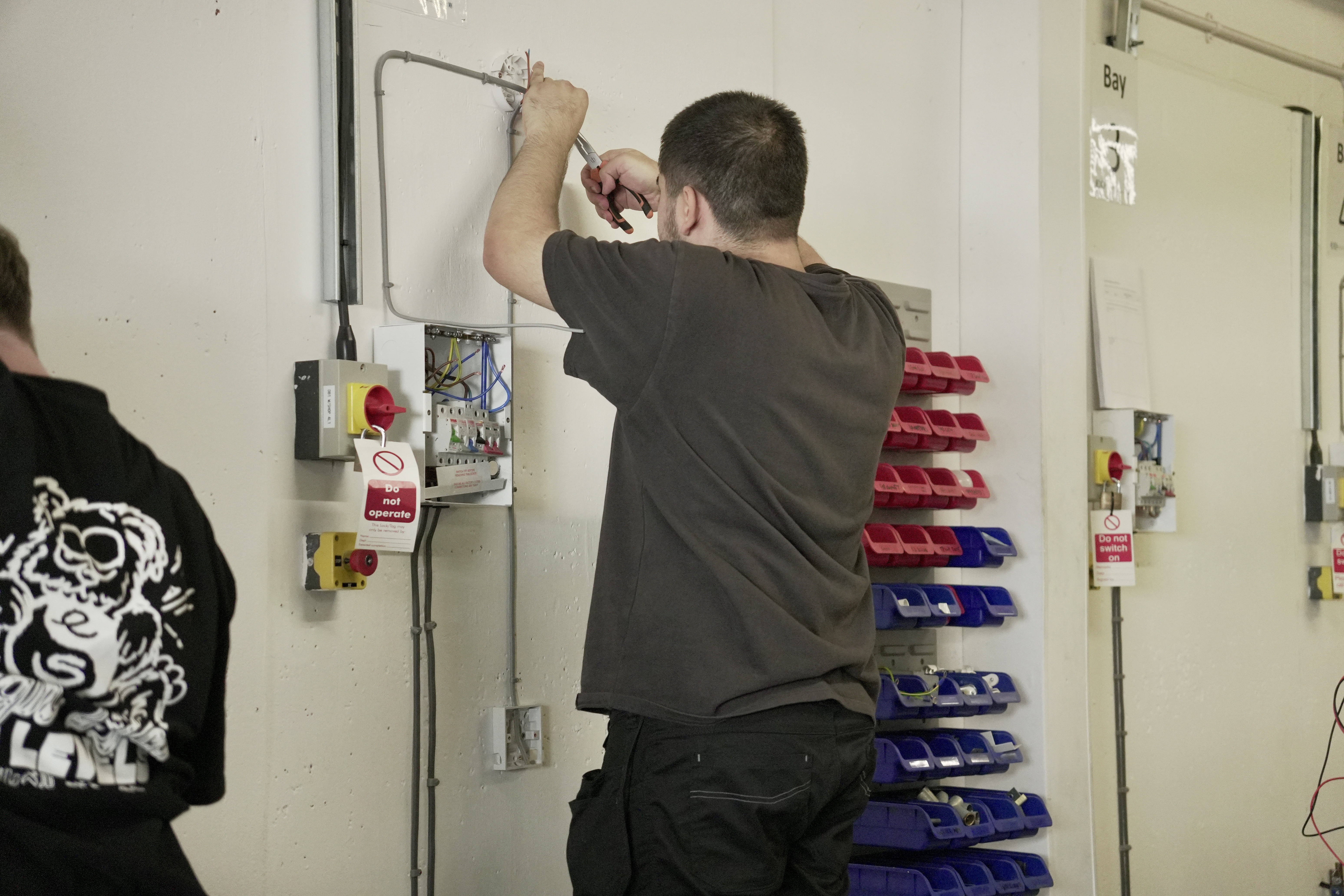
Now that you know the safety basics, let’s explore some training programs that can elevate your skills. These courses are designed to give you the expertise needed to excel in your career.
City & Guilds Electrician Courses
City & Guilds courses are your gateway to becoming a skilled electrician. The 2365 Level 2 and Level 3 diplomas offer both theory and hands-on experience. They cover everything from electrical principles to advanced installation techniques. With over 80% of students finding employment within a year, these courses are a proven path to success.
These programs are perfect if you’re looking to gain a strong foundation. They set you up for further qualifications, like the NVQ 2357. Learn more about these courses here.
NVQ 2357 Electrotechnical Pathway
The NVQ 2357 pathway is your next step. It’s a work-based qualification that allows you to demonstrate your skills in real-world settings. Completing this NVQ shows you’re ready to tackle any electrical challenge. It’s recognized industry-wide, meaning your skills will be in demand.
With this qualification, you’ll be on track to becoming a fully qualified electrician. The NVQ 2357 is not just about gaining skills; it’s about proving them in the field.
AM2 Assessment Centre Opportunities
The AM2 assessment is your final hurdle. This practical test evaluates your competence through various tasks. Passing the AM2 means you’re ready for the professional world. It’s the benchmark for qualified electricians.
Most people think the AM2 is intimidating, but it’s a chance to shine. With thorough preparation, many find it a rewarding experience. Check out preparation advice at this link.
Compliance and Best Practices for essential safety
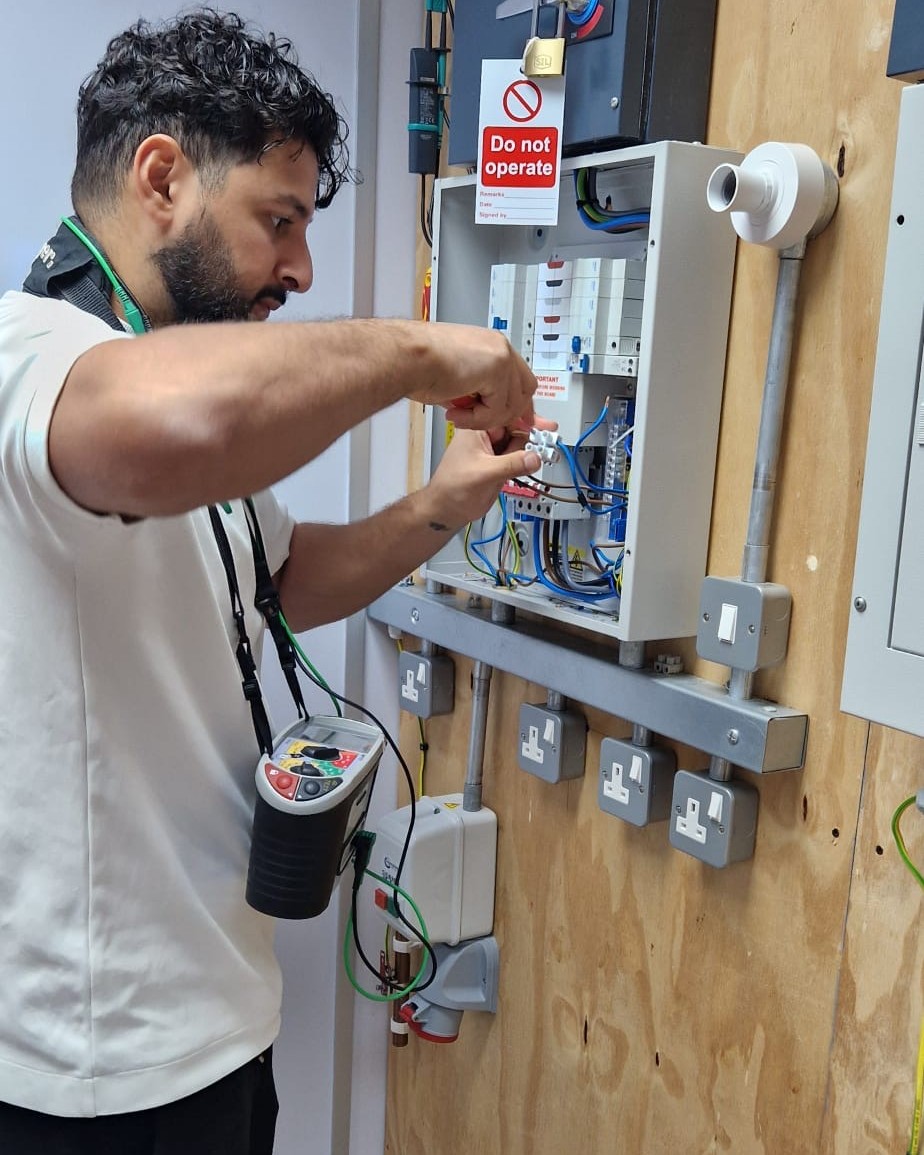
Compliance is key in the electrical world. It ensures that work is not only safe but also up to code. Let’s dive into the standards you need to know.
BS 7671 18th Edition Standards
BS 7671 is the gold standard for electrical installations in the UK. This standard covers everything from wiring systems to safety measures. Staying up-to-date with these regulations is crucial. It ensures your work is not only safe but also legally compliant.
Adhering to BS 7671 means you’re working to the highest standards. This boosts your reputation and opens doors to more opportunities.
Risk Assessment Electrical Work
Risk assessments are a proactive approach to safety. They involve identifying potential hazards and planning to mitigate them. A well-done risk assessment can prevent accidents before they happen.
Conducting regular assessments can reduce workplace incidents by 30%. It’s not just about ticking boxes; it’s about creating a safe work environment. Check here for free HSE templates.
Permit to Work Electrical Guidelines
A permit to work system is vital for high-risk tasks and essential to all workers in a hazardous area. It formalizes the safety measures needed before work begins. This guideline ensures everyone is aware of the risks and how to manage them.
Permits are not just paperwork; they’re safeguards that protect everyone involved. Implementing a permit system shows you’re serious about safety. Learn more through this Facebook group.
By mastering these safety protocols and completing the right training programs, you’re not just following rules—you’re building a solid foundation for your electrical career. Equip yourself with the necessary skills and stay compliant with industry standards to ensure success in the field.